


Vessel
Circuits of Culture
VESSEL / CIRCUITS OF CULTURE
VASCELLO / CIRCUITI DELLA CULTURA

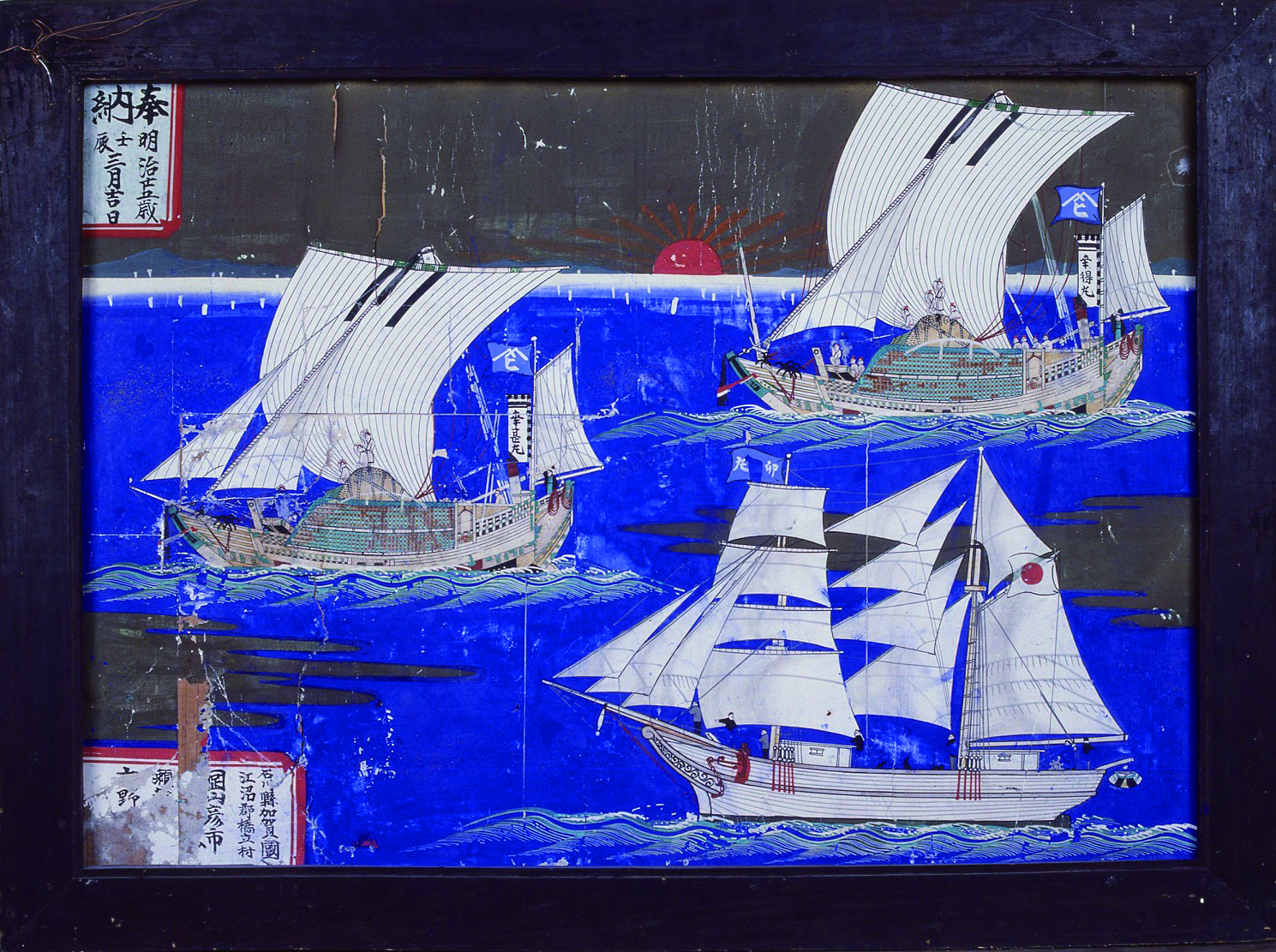
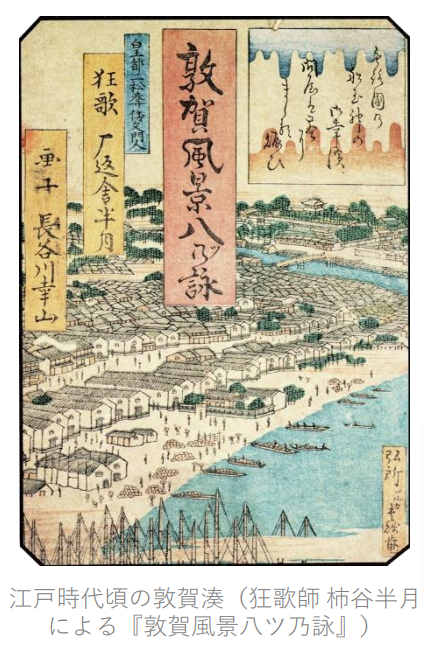
Kitamaebune were merchant vessels that traversed the Sea of Japan from the Edo to the Meiji period. Departing from Osaka and extending as far as Hokkaidō, they sailed while trading regional goods on route.
Kitamaebune were merchant vessels that traversed the Sea of Japan from the Edo to the Meiji period. Departing from Osaka and extending as far as Hokkaidō, they sailed while trading regional goods on route.
The funadansu drawers of Murakami stands as a symbolic embodiment of this exchange. Designed for use at sea, it incorporates structures resilient to motion and humidity, as well as functions adapted to the constraints of limited space. Within it, regional craftsmanship and the maritime environment are intricately intertwined.
The kitamaebune ships transported materials and techniques, transforming them along their journeys and reconstituting them as culture in each place they touched. The sea, in this sense, becomes a field of connection—linking and shaping cultures across distance.
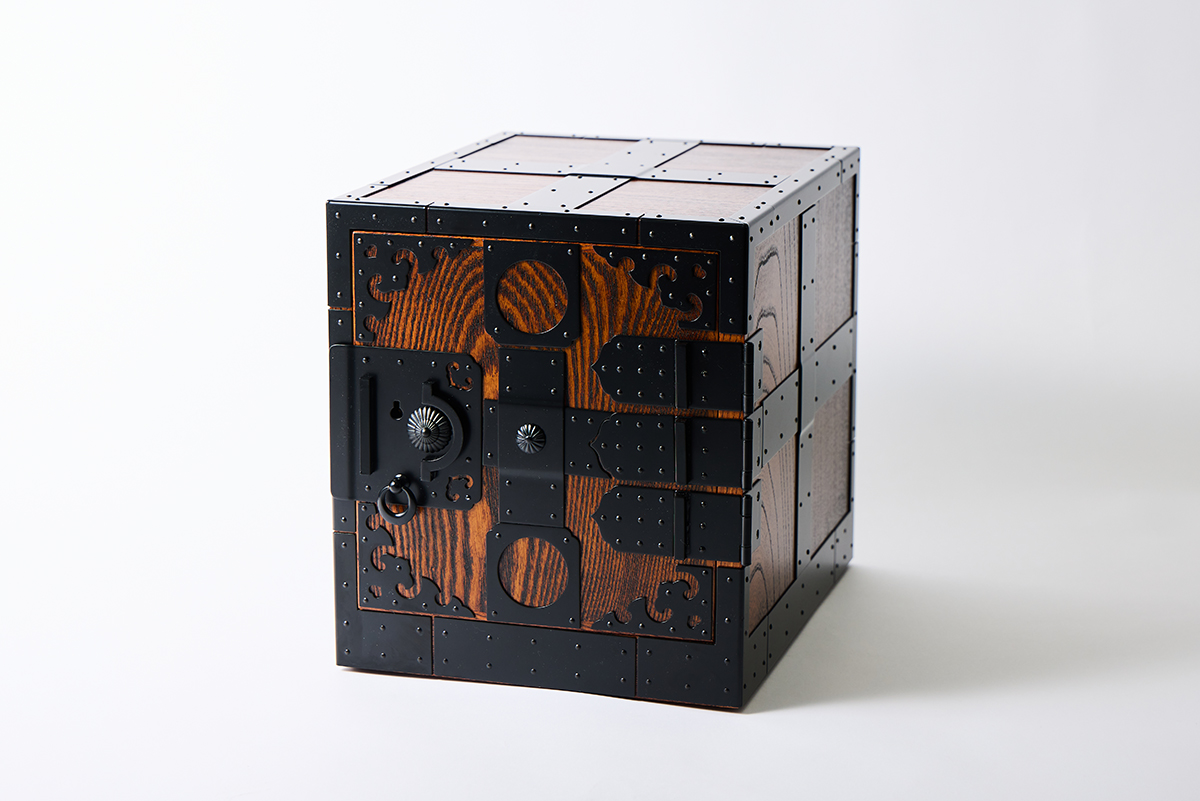
酒田船箪笥 Katō Woodworks
Wood
Legno / Il tempo stratificato nella lacca
Wood / Time Layered in Lacquer
Traditional crafts of wood and lacquer have long been nurtured along the Sea of Japan, shaped by natural resources and climate of its surrounding forests.
Lacquer, produced from tree sap, is wholly natural and does not simply dry, but instead slowly cures in the presence of moisture, maturing with the air itself. In Kaga and Yamanaka, the refined techniques of master woodturners, or kijishi, combined with plentiful timber, gave rise to wooden bases turned with remarkable thinness and uniformity. Upon these forms, layers of lacquer are applied relentlessly, building both resilience and a profound, luminous depth. The humid environment steadies this curing process, sustaining and defining the craft over generations.
In regions such as Murakami and Shōnai, cooler climates fostered a different expression—one of weight and intricacy—where carving and lacquering converge in techniques such as tsuishu, yielding richly sculptural surfaces.
Wood is rooted in the land; lacquer is cultivated by climate. Through the accumulation of these layers, textures unique to each region have taken form—quietly recording the passage of time.
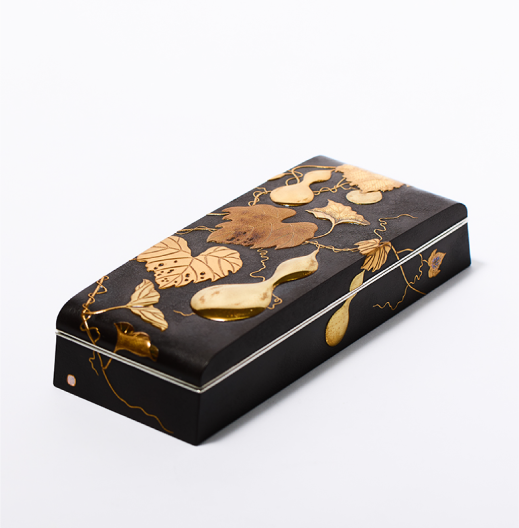
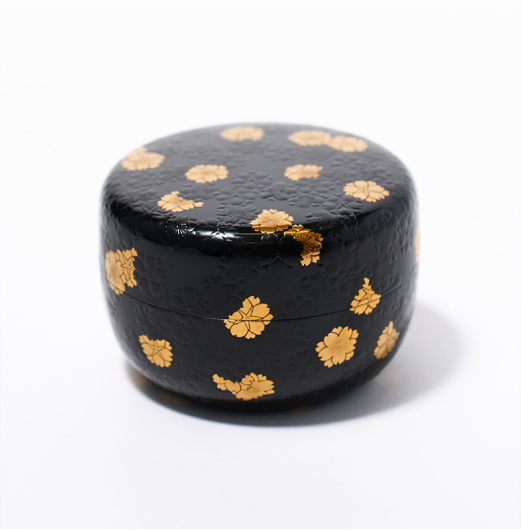
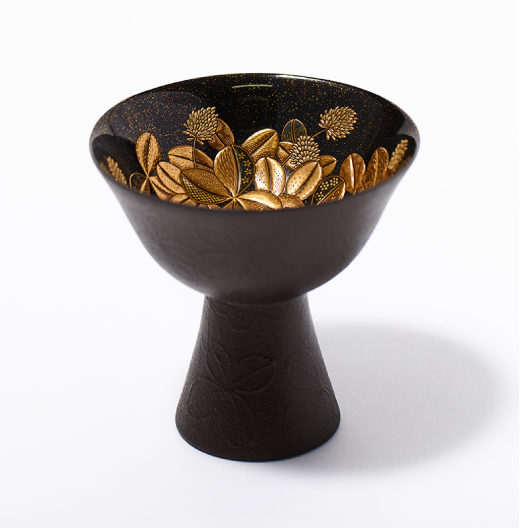
加賀漆芸(蒔絵) Yamazaki Mushū
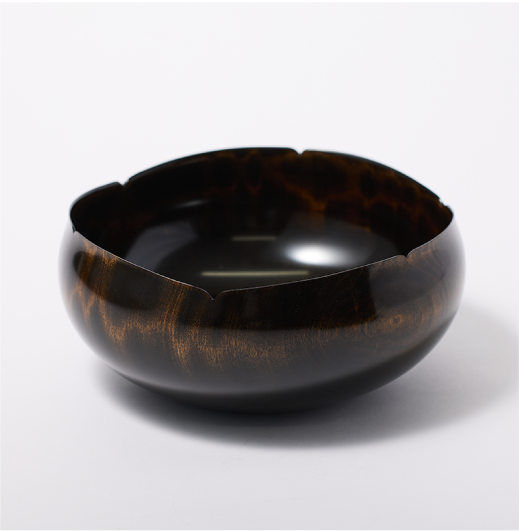
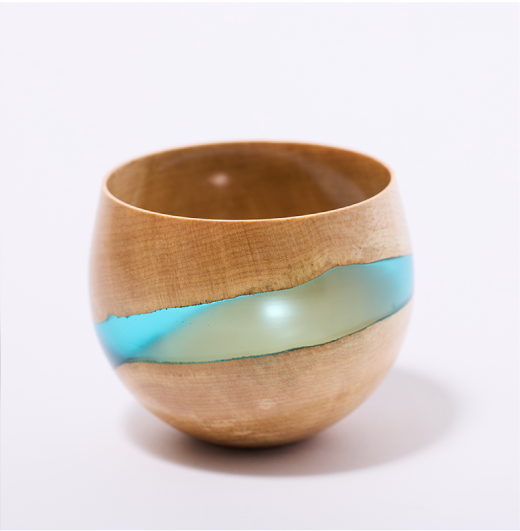
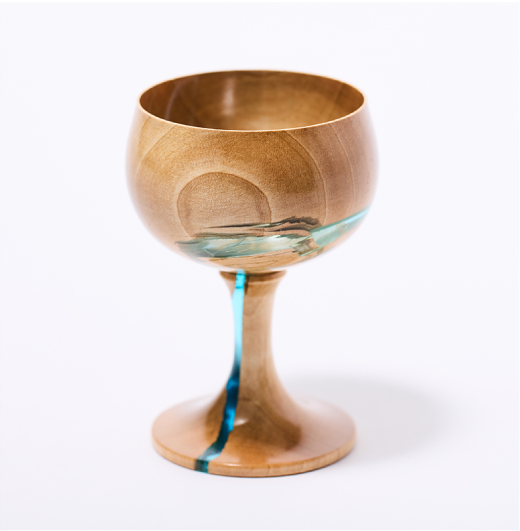
山中漆器 Studio Nakajima
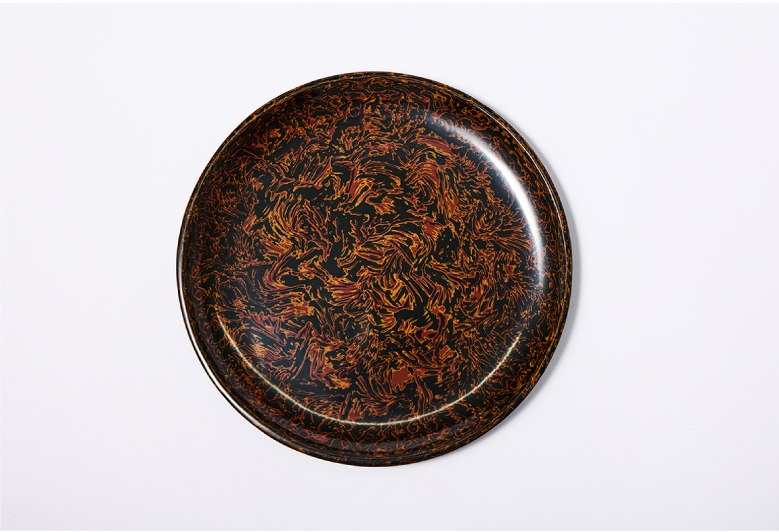
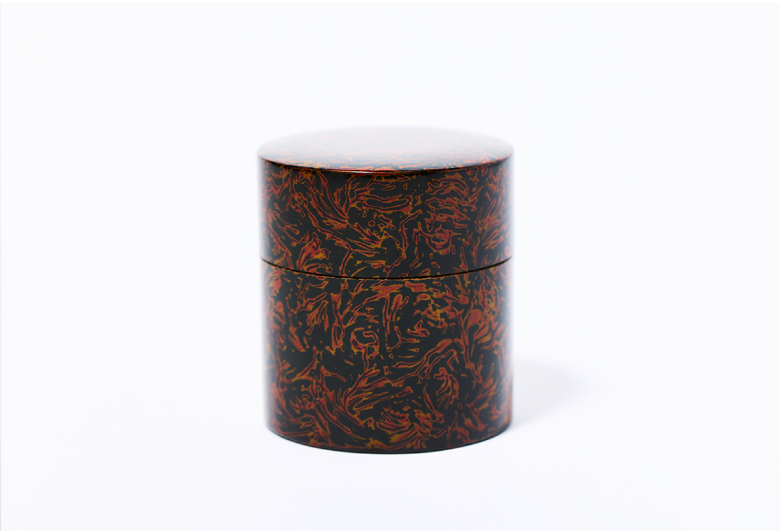
磯草塗 Saitō Yasohachi
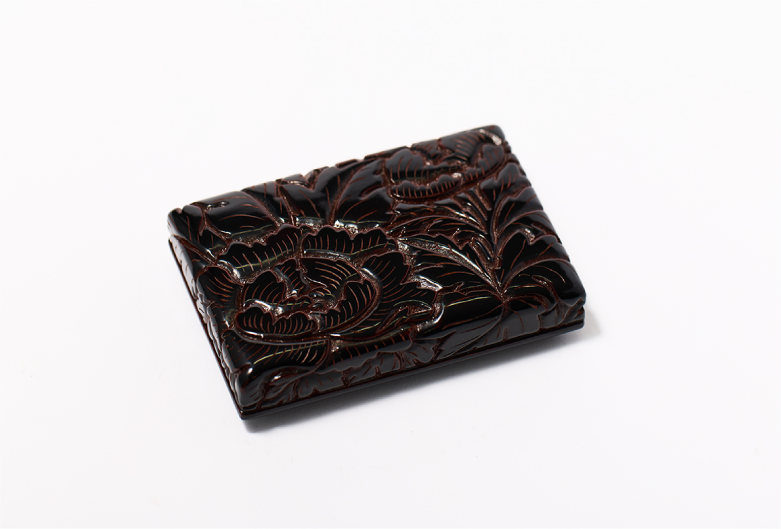
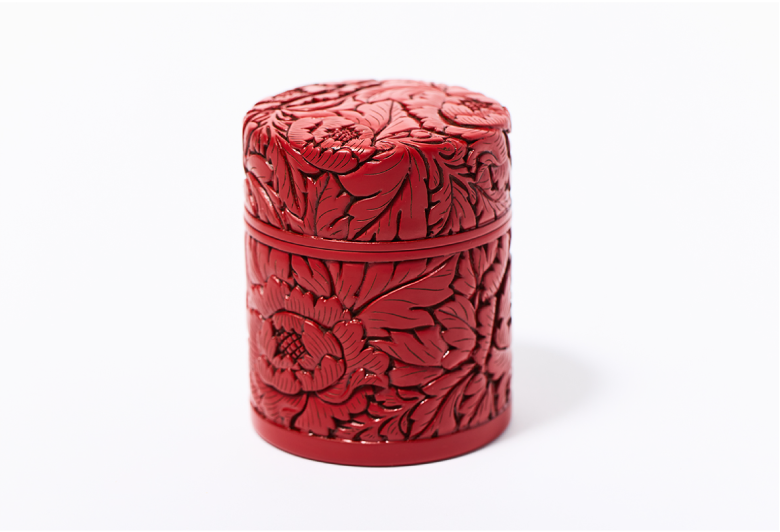
村上木彫堆朱 Fujii Lacquer Works Co., Ltd.
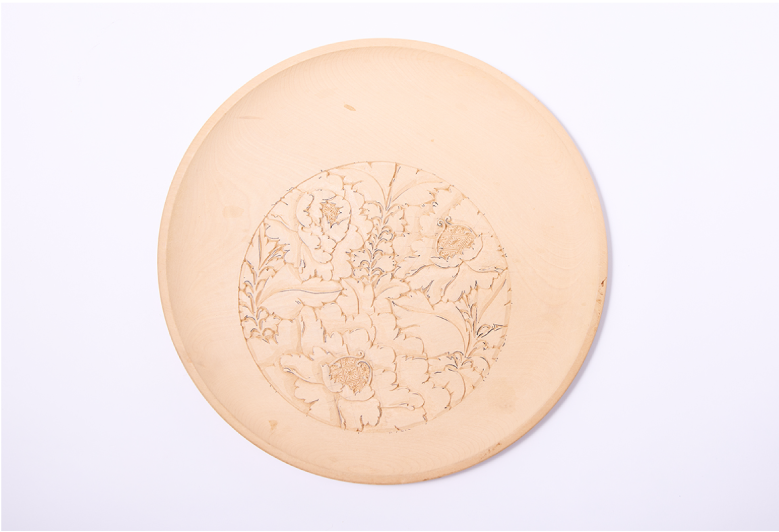
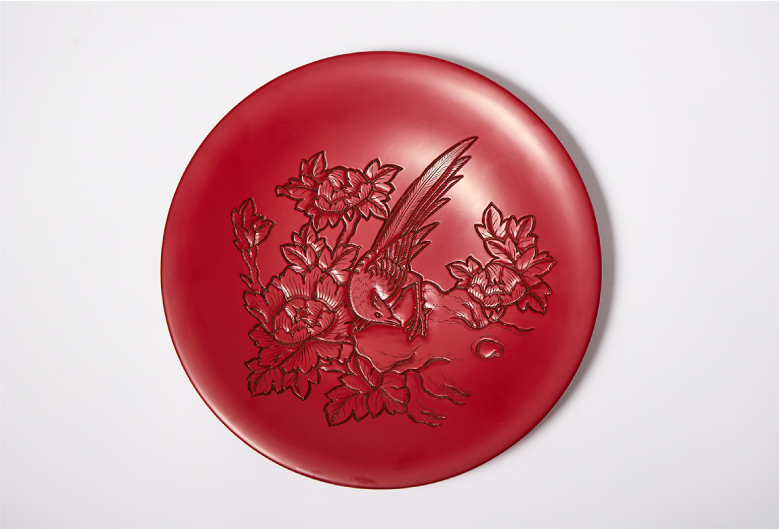
Murakami Tsuishu Cooperative Association
Stone
Pietra / L’emergere della pietra ceramica
The Emergence of Ceramic Stone
Kutani-yaki finds its origin in the ceramic stone drawn from the land of Kaga. Crushed, washed, and refined, the stone is transformed into a porcelain body—an act that both dissolves and reconstitutes the inner structure of nature itself.
This finely grained, luminous white base receives overglaze enamels with clarity and depth, enabling the vivid and distinctive expressions for which Kutani is renowned. Through a carefully developed system of specialized craftsmanship, a sophisticated culture of polychrome porcelain has emerged.
Material and technique converge in layered harmony, giving rise to forms of expression that are inseparable from the character of this land.
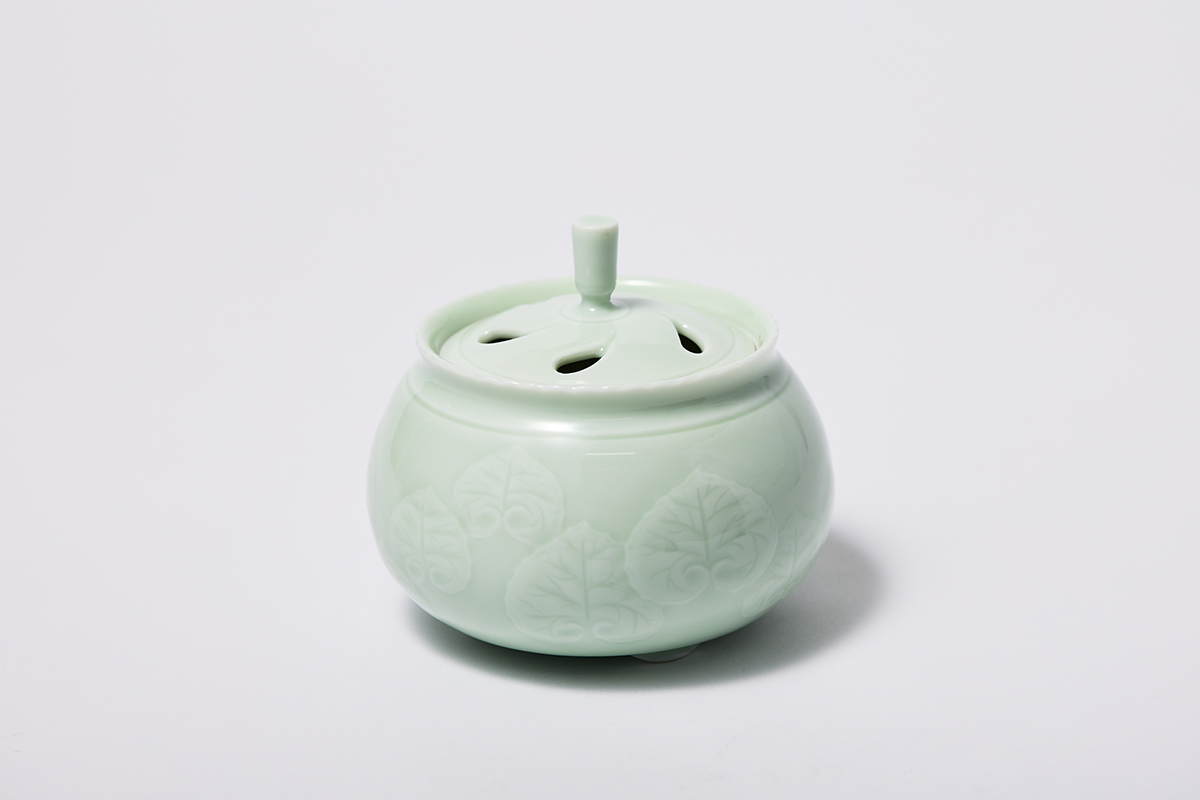
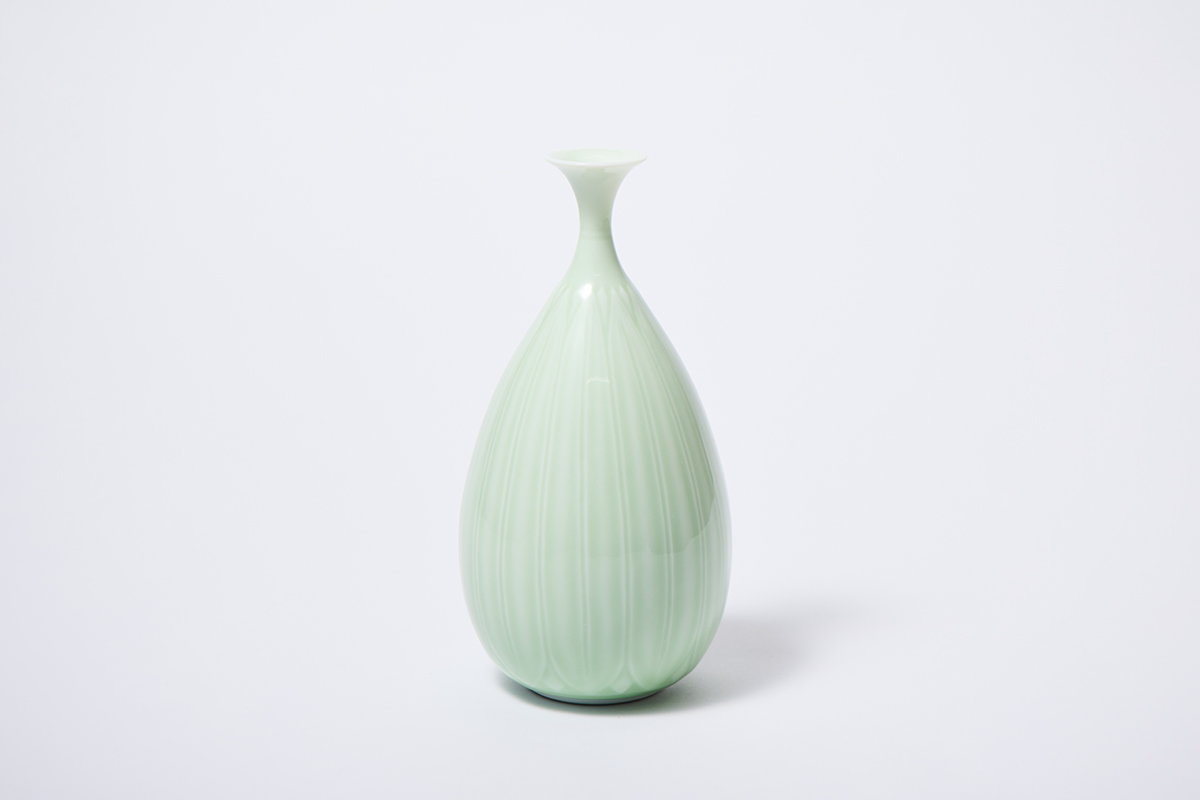
九谷焼 Myōsen Tōbō Co., Ltd.
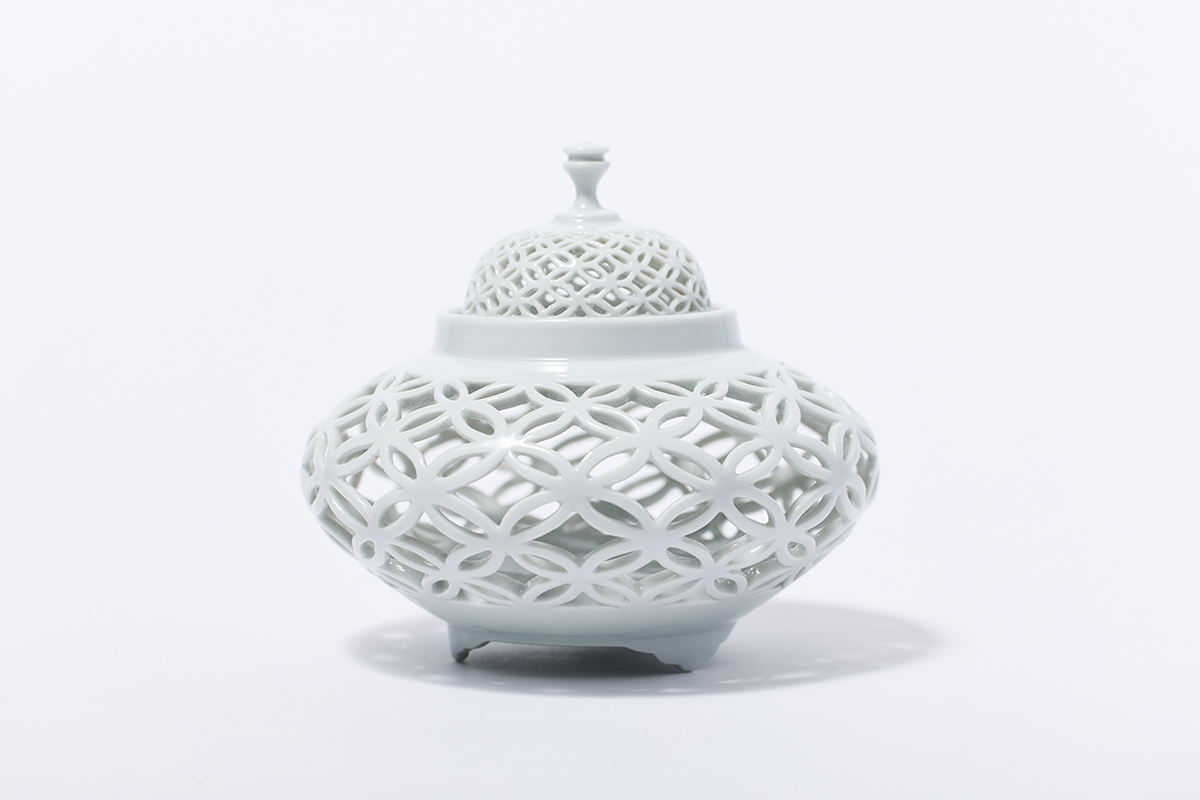
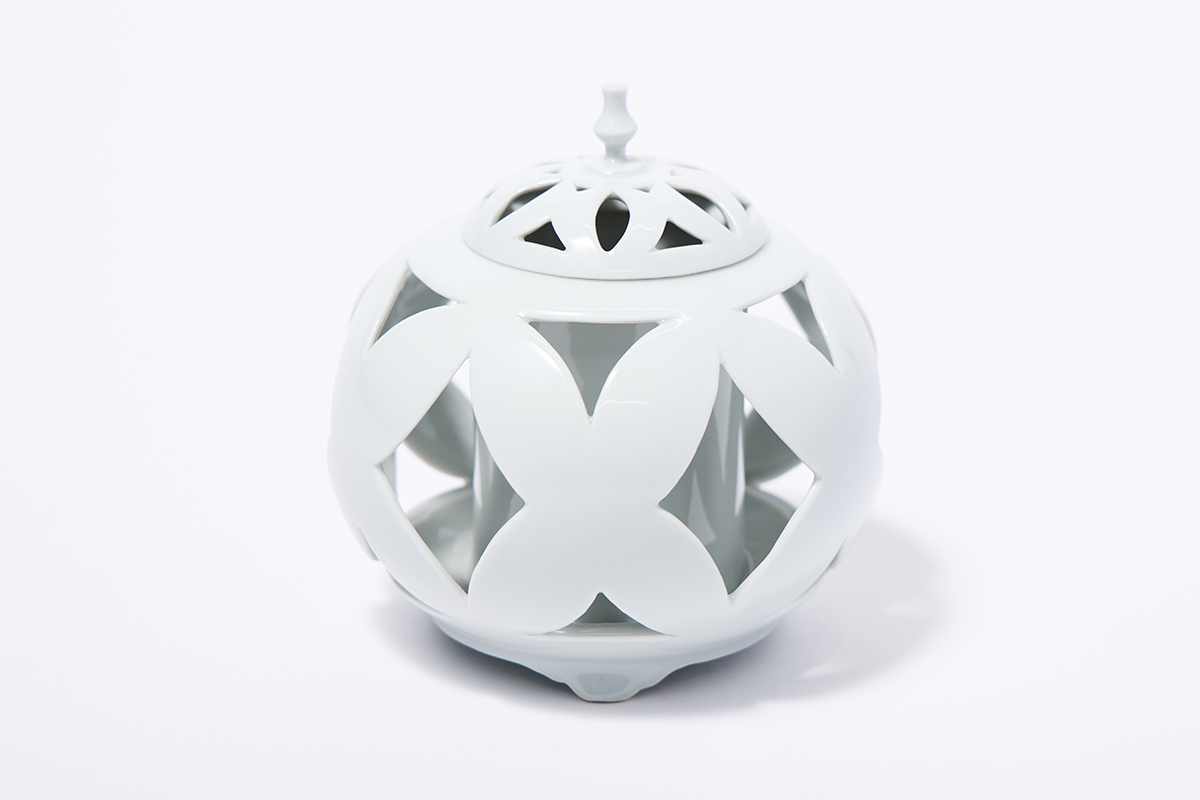
九谷焼 Kaga Tōbō Co., Ltd.
Cloth
Tessuto / Memorie intrecciate
Cloth / Memories Woven
Cloth emerges from the natural environment and rhythms of daily life of the region where it is produced. In the Uetsu region, shinafu is made from the inner bark of the Japanese linden tree—its fibers carefully extracted, spun into thread, and woven through a process that demands both time and patience. In this land of heavy snowfall, such work has long been carried through the winter months, preserved and passed down within village communities.
In contrast, kibiso from Tsuruoka makes use of the outer layer of silkworm cocoons—material not employed in conventional silk reeling. Born from the local sericulture industry, it reimagines unused resources, granting them new value and meaning.
Each material is cultivated within the interplay of nature and livelihood, embodying the quiet memory of the land from which it arises.
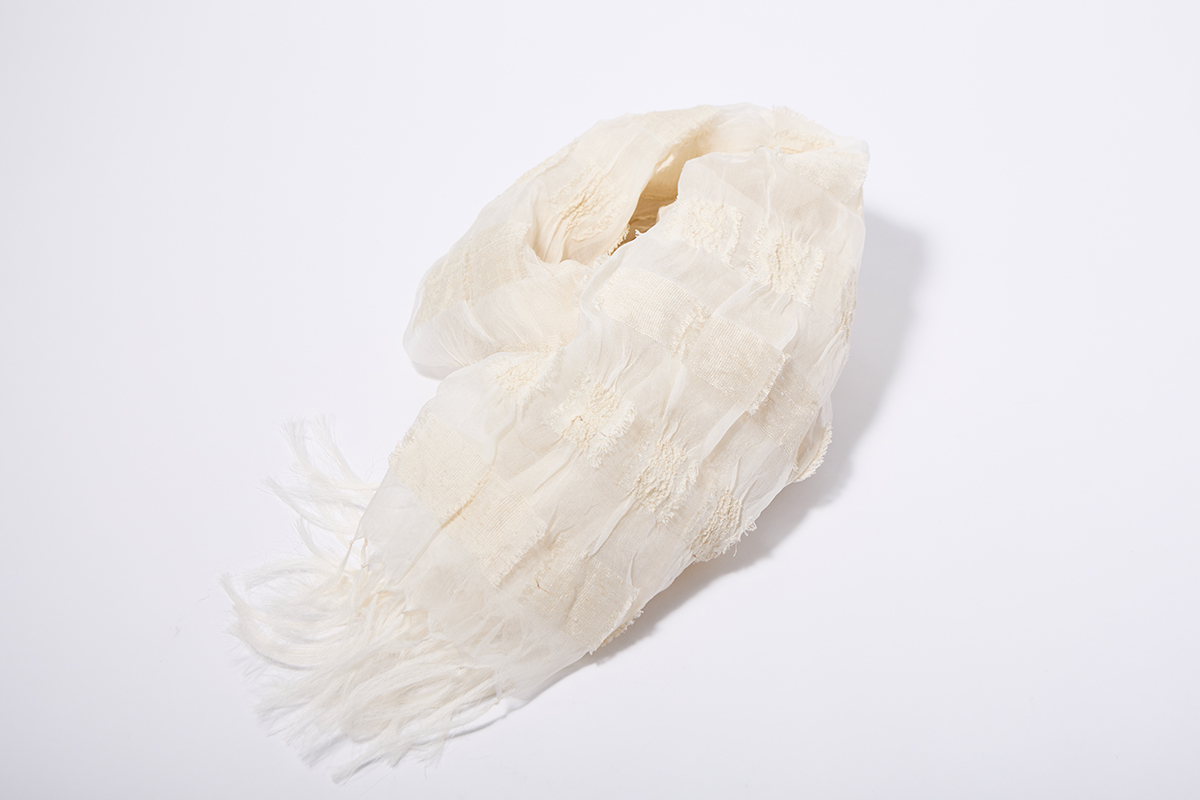
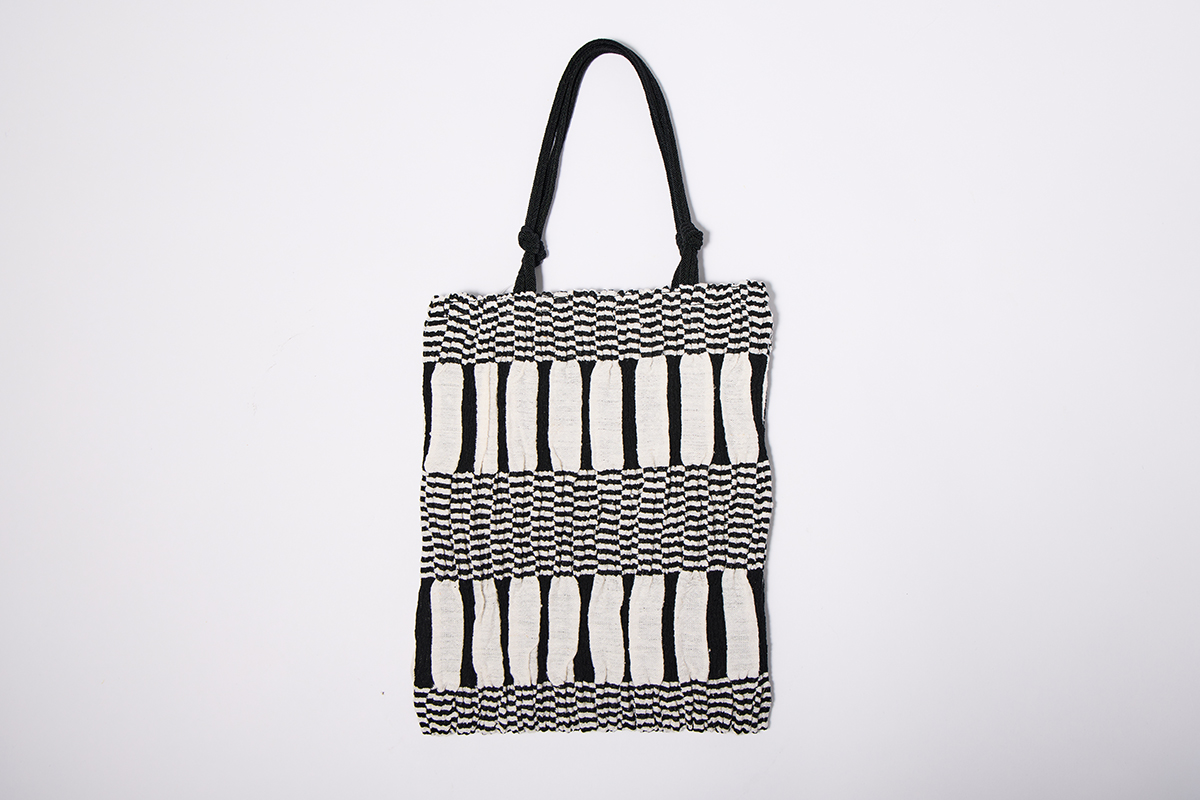
サムライシルク / きびそ Tsuruoka Silk Co., Ltd.
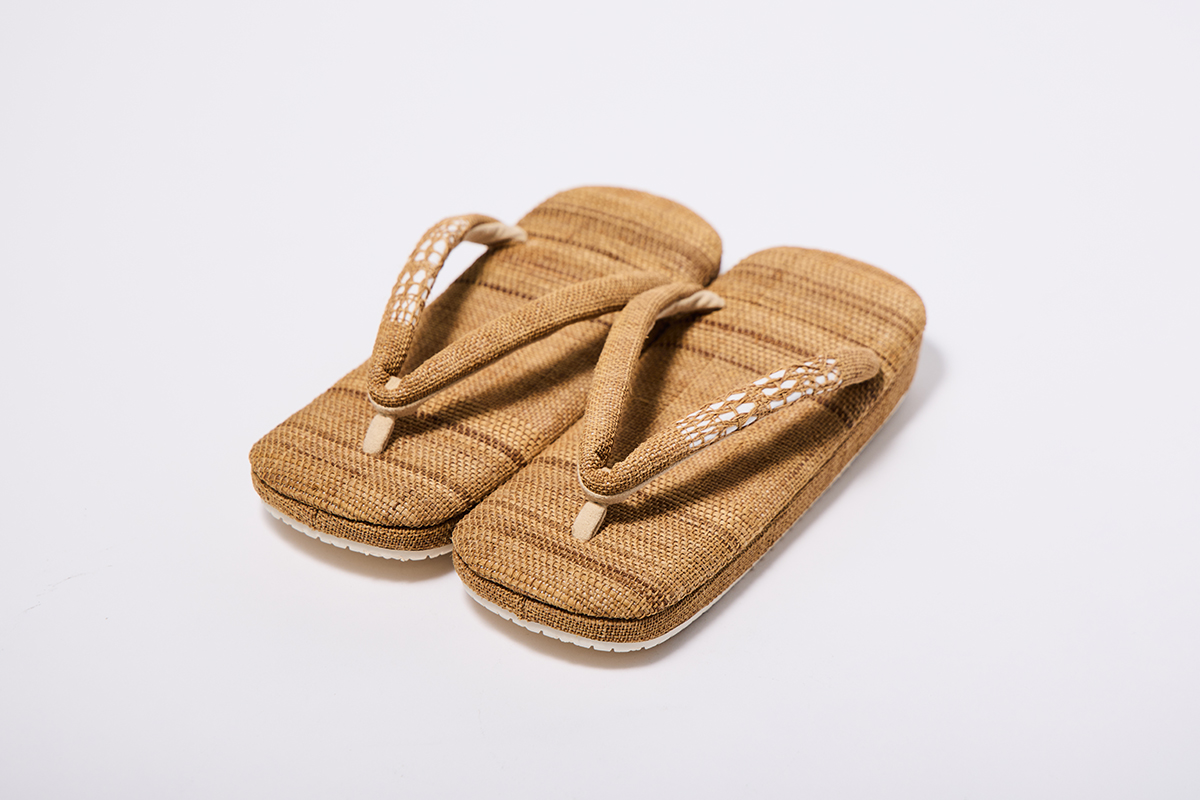
羽越村上しな布 Yamakumada Workshop
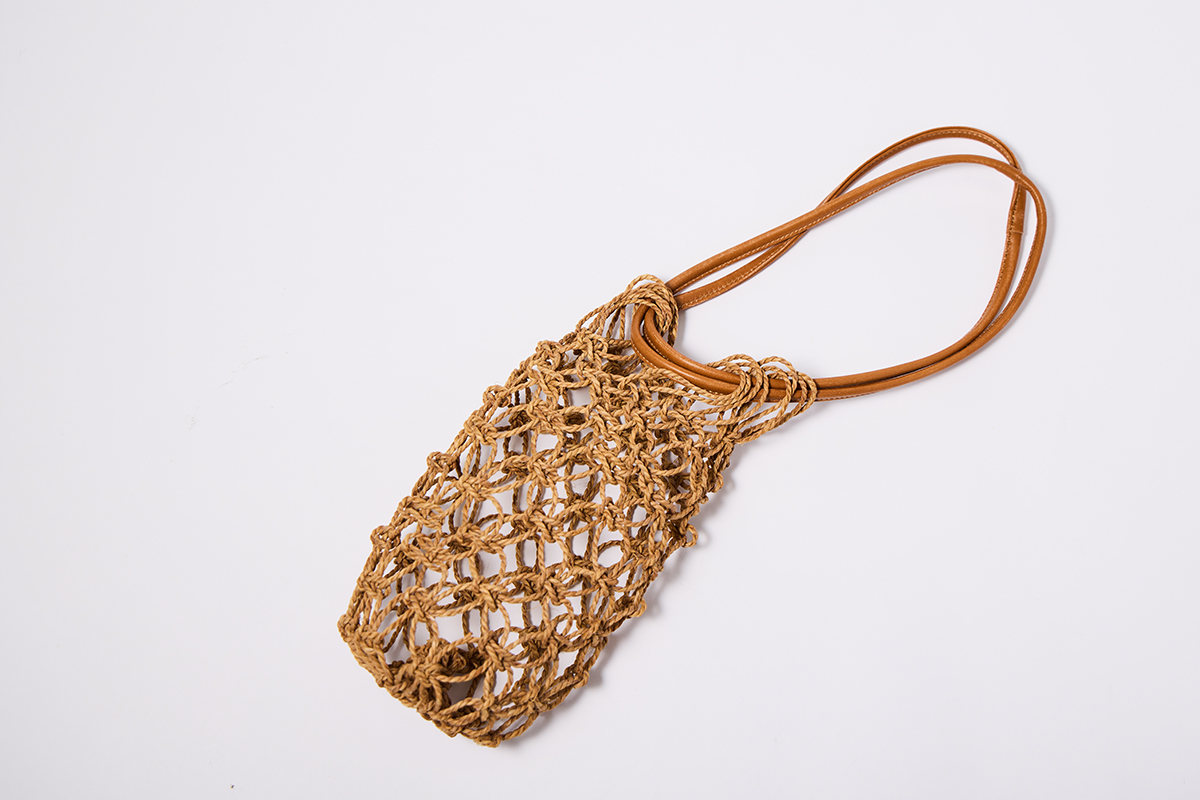
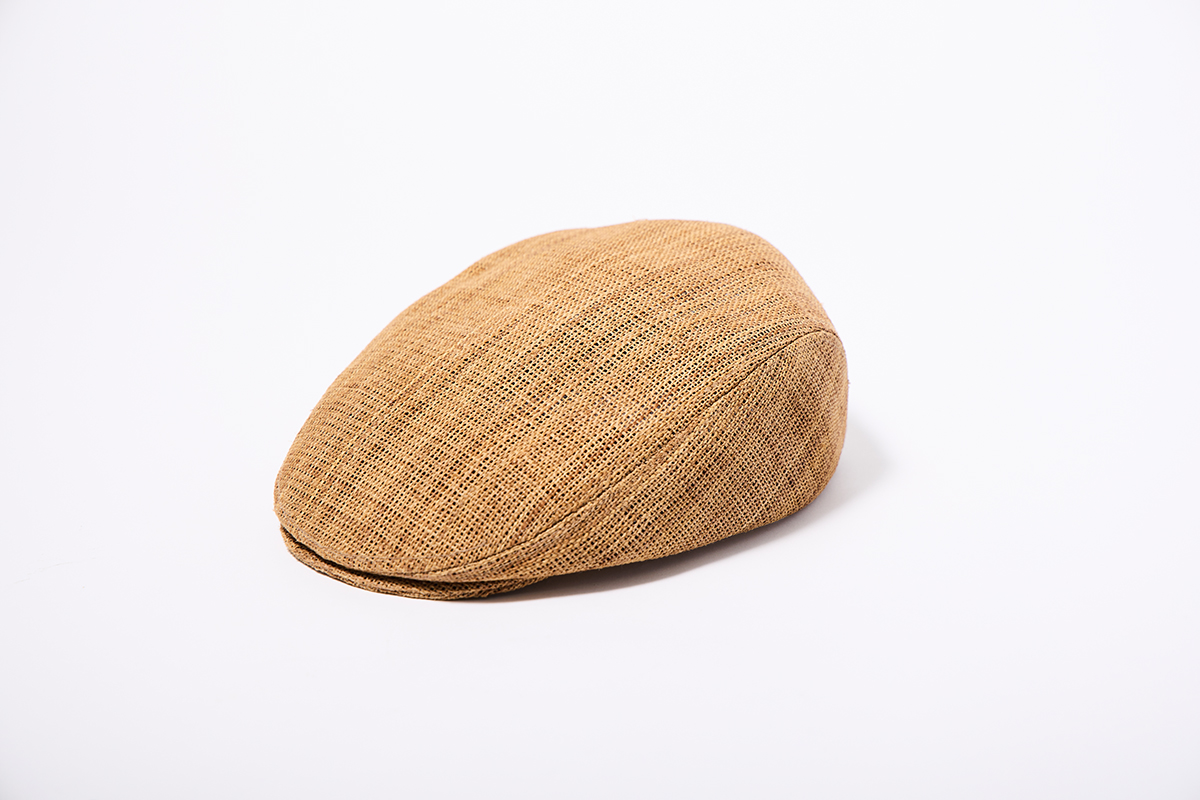
羽越鶴岡しな布 Shinaori Sōgei Ishida